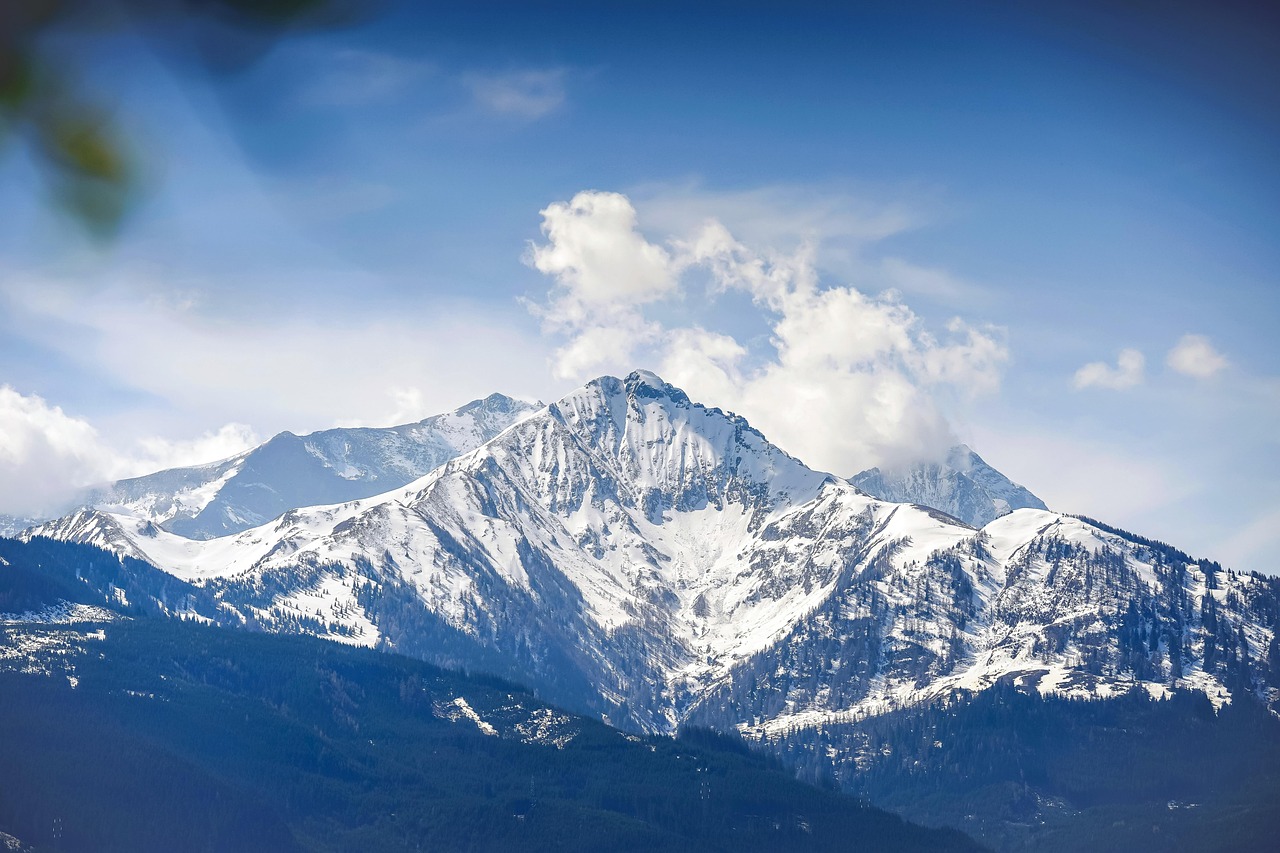
Asheville's setting in the Blue Ridge Mountains is its greatest asset — a landscape of forested peaks, scenic drives, waterfalls, and trails that surrounds the city on all sides. For outdoors lovers, it's one of the best basecamps in the East. Here's how to experience the natural side of Asheville.
A current-conditions note. Western North Carolina's mountains, forests, trails, and roads were significantly affected by Hurricane Helene's flooding in September 2024. Recovery has been ongoing, but some trails, roads (including sections of the Blue Ridge Parkway), and natural areas may be closed, damaged, or changed. Before heading out, check current conditions and closures with the relevant agencies (the National Park Service for the Parkway, the U.S. Forest Service for Pisgah, NC State Parks for the state parks). Plan flexibly.
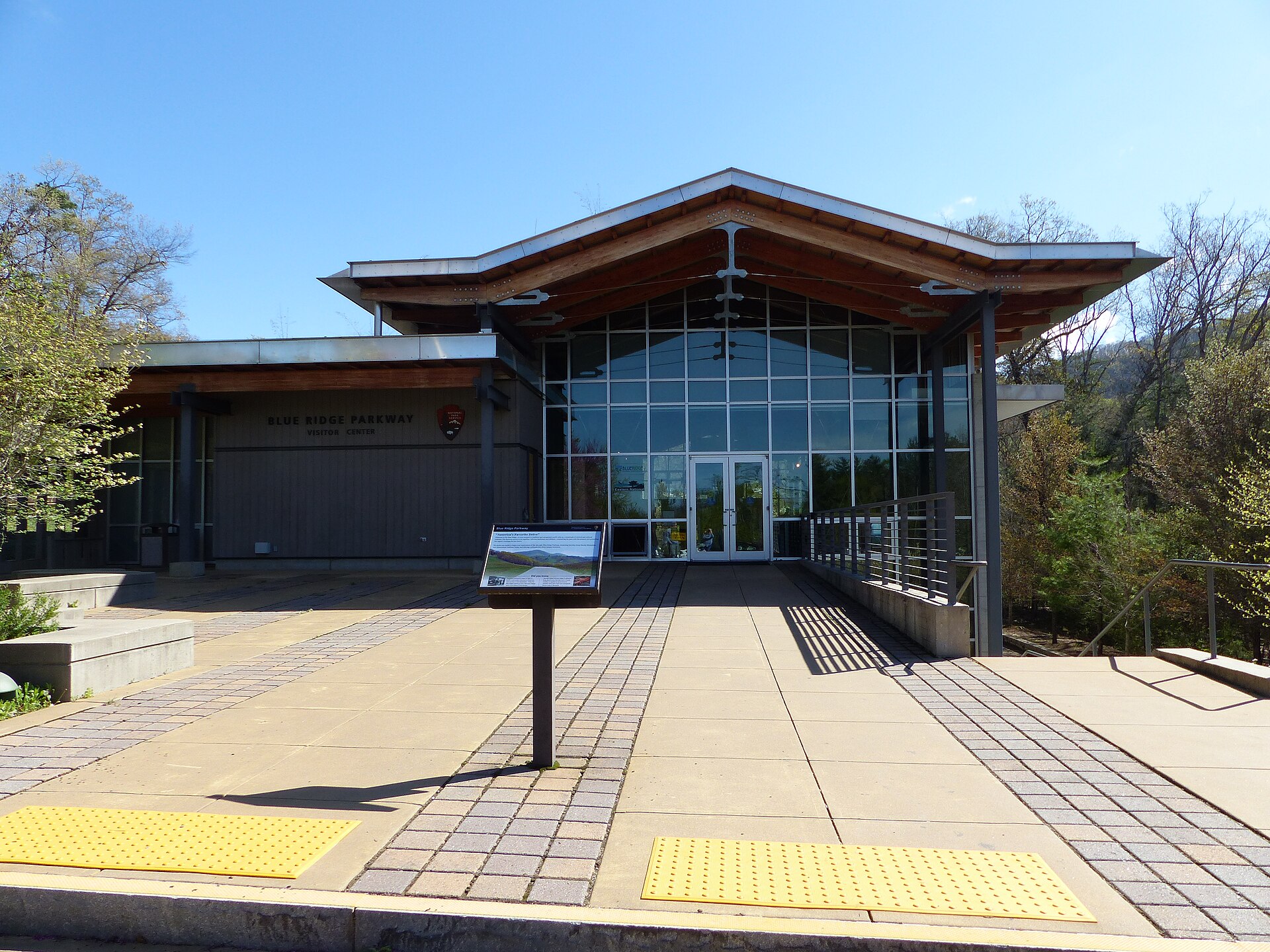
The Blue Ridge Parkway. "America's Favorite Drive" runs right past Asheville along the mountain crests, and a drive on it — stopping at overlooks and trailheads — is the quintessential way to take in the scenery. It's free, gorgeous in every season (and legendary in fall), and the gateway to many trails and sights. (Check which sections are currently open.)
Waterfalls and forest hikes. The mountains around Asheville hold a remarkable density of waterfalls. Easy, popular ones include roadside Looking Glass Falls in Pisgah National Forest and the family of falls in DuPont State Forest (Triple Falls, High Falls, Hooker Falls — famous filming locations). The vast Pisgah National Forest and the trails off the Parkway offer endless hiking, from gentle walks to strenuous summits, with wildflowers, rhododendron, and big views. Most are free.
Mount Mitchell. About an hour from Asheville off the Parkway, Mount Mitchell is the highest peak east of the Mississippi (6,684 ft), with a short summit path to a 360-degree observation deck (on a clear day) and a cool, Canadian-style spruce-fir environment. Free, and an easy way to stand atop the eastern U.S.
Chimney Rock and the gorges. Southeast of the city, Chimney Rock State Park's dramatic granite monolith offers sweeping views over Hickory Nut Gorge and Lake Lure, plus the towering Hickory Nut Falls. NOTE: this area was among the hardest hit by Helene — check its current operating status and access before planning a visit.
The rivers. The French Broad River (which runs through Asheville) and other mountain rivers offer flatwater and whitewater paddling, tubing, and fly-fishing in the region — though river access and outfitters may be affected by the flooding; verify current operations.
Tips for the mountains. Always carry layers (weather and temperatures change fast and dramatically with elevation), water, and proper footwear. Rocks near waterfalls are dangerously slippery — stay on trails and heed warnings. Check the weather and (especially now) current trail/road conditions before you go. Start early for parking at popular spots. And don't underestimate the drives — mountain roads are slow and winding, but the scenery is the point.