
Cataloochee Valley and the Elk
A quiet Smokies valley with a wild elk herd
⏱ 3-5 hours (plus drive)👤 All agesFree
Get Tickets
Get Cataloochee Valley Tickets
Skip the line · mobile tickets accepted at the door
The experience: you roll down the valley at walking speed, spot the first brown shapes in the grass and pull over where others have, then watch quietly. Even visitors who arrive skeptical tend to stay longer than planned. The valley is also lovely without elk, with a stream, hiking trails and the old buildings.
Making the most of it: arrive an hour before sunset or soon after sunrise for the best wildlife viewing, and pack layers because the valley is cooler than the towns around it. Never approach, feed or crowd elk, and keep to the pull-outs and the posted rules. In the rut, in early autumn, traffic slows because many people stop. Guided jeep tours also run to the valley from Asheville if you would rather not handle the gravel road yourself.
Understanding the valley: before the national park was created, hundreds of people farmed and raised families in Cataloochee, and the preserved buildings are among the best examples of that mountain life in the park. Take time to step inside the little church or the schoolhouse and read the signs, and then walk a short stretch of the creek-side trail for a different perspective. Wildlife is not limited to elk: you may spot deer, wild turkeys and a variety of birds, especially in the early morning. Remember that the valley is remote, with limited help nearby, so fill the gas tank before leaving the highway and tell someone where you are going.
Practicals and fit: the valley is in the Cataloochee area on the North Carolina side of the Smokies, reached from I-40 via Cove Creek Road. Road open year-round weather permitting; free entry. Fit: wildlife lovers, photographers, families with patient kids, history fans and anyone who likes quiet places off the main park roads.
What to Expect
Format
A scenic drive into a remote Smokies valley with open meadows, preserved farm buildings and a wild elk herd, best watched from the road. Free entry.
Best Time
Dawn and dusk year-round; early autumn for the elk rut. The road is open year-round but can close in snow and ice.
Duration
Three to five hours on site and in the valley, plus about 90 minutes each way from Asheville.
Tips
Stay at least 50 yards from elk, bring a picnic and layers, and check park alerts for road conditions.
⚡ Quick Picks
Best For
Wildlife and history lovers who want the Smokies without the crowds.
Families
Kids love spotting elk; keep everyone well back and in the car near animals.
Couples
A sunrise or sunset drive and a picnic in a quiet valley.
Pair With
Waynesville, Maggie Valley and the Blue Ridge Parkway.
Time Needed
A full day with the drive.
Ready to book Cataloochee Valley?
Get Tickets →Frequently Asked Questions
Will I see elk at Cataloochee?
Elk are common in the valley's open fields, especially around dawn and dusk. Wildlife is never guaranteed, but this herd is one of the most reliable in the Smokies.
How close can I get to the elk?
Stay at least 50 yards away. They are wild animals and can be dangerous, particularly during the fall rut.
Is the road open in winter?
Cataloochee Road is open year-round, but it is a winding gravel road that can close for snow, ice and other hazardous weather.
Is there an entrance fee?
No. Great Smoky Mountains National Park does not charge an entrance fee.
Are there restaurants?
No. Bring food and water, and download directions because cell service is limited.
More Asheville Attractions
Browse all →Kuwohi (Clingmans Dome)
The highest point in Great Smoky Mountains National Park, reached by a seasonal mountain road and a steep half-mile paved trail to a spiral observation tower with 360-degree views.
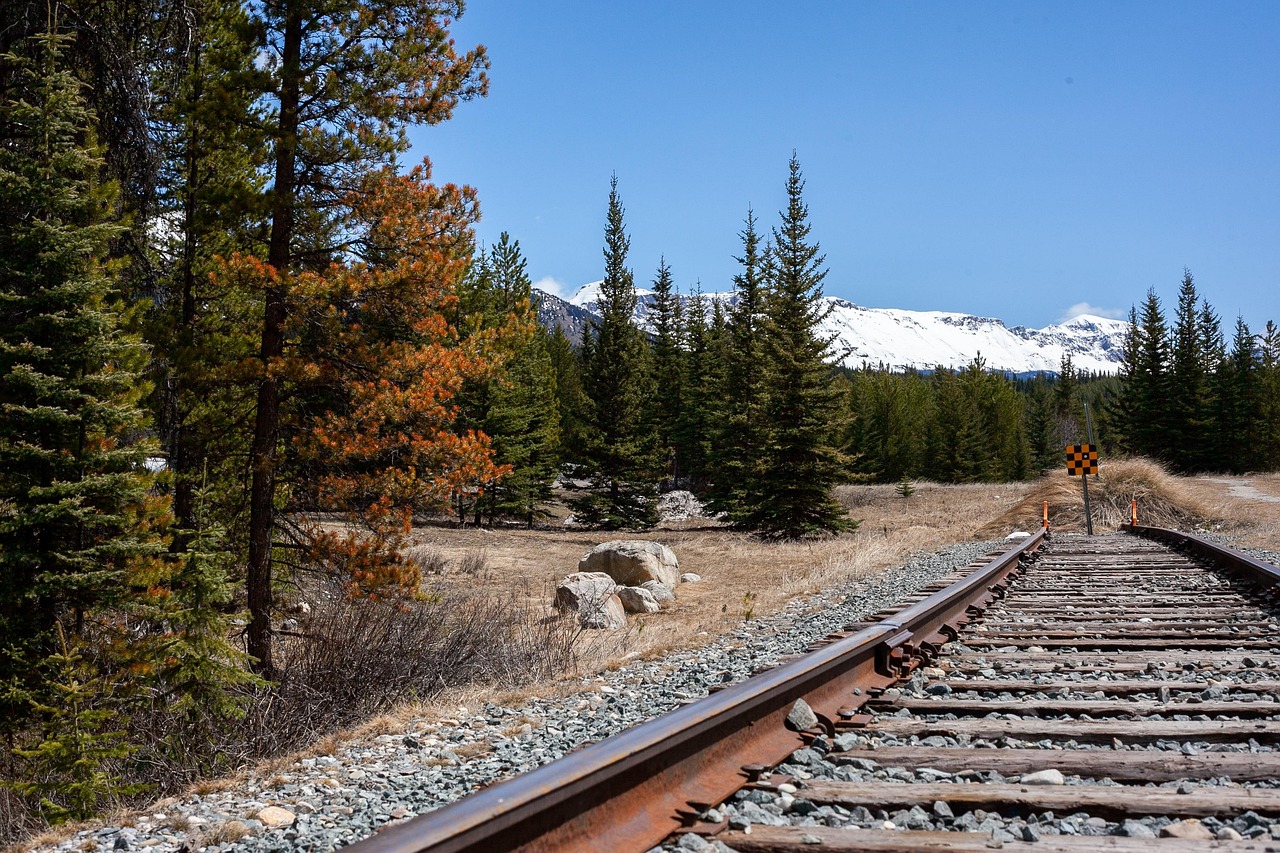
Great Smoky Mountains Railroad
A vintage-train excursion from Bryson City along Fontana Lake into the Nantahala Gorge, or beside the Tuckasegee River to Dillsboro — the slowest, prettiest way to see the Smokies foothills.

Museum of the Cherokee People
The story of the Cherokee told by the Eastern Band of Cherokee Indians on their own homelands — ancient history, the syllabary, removal and survival — in the mountain town of Cherokee at the Parkway's southern end.